



![Mistolin Liquid Drain Unblocker [1000ML]](/images/uploads/mdist-Untitled-1-copy.webp)


![Urinal Air-Freshener Mat [UN]](/images/upload/23a21c7ee9b04d71bf308bb7b7b3a068.webp)
![Mistolin Cedar Oil [380ML]](/images/uploads/oleo-cedro-380ml.webp)
![Mistolin Furniture Cleaner [750ML]](/images/uploads/limpa-moveis-750ml-un.webp)
![Mistolin Degreaser Spray Gun [545ML]](/images/uploads/Untitled-9-copy.webp)
![Nail-Saver Sponge – Effective Cleaning and Hand Protection [24UN]](/images/upload/cac8160ade4a8aab08831509b2f076da.webp)
![Sublime Tissue HLE-T Mistolin – Professional Upholstery & Fabric Cleaner [5L]](/images/upload/3c04fa7eec448ffb70154020d5591953.webp)
![Motorclean ALM-50 Mistolin Engine & Chassis Cleaner [20LT]](/images/uploads/alm-50-copy.webp)
![Bactidet DMU-100 Mistolin Multi-Surface [5LT]](/images/uploads/3D-BACTIDET-DMU-100-5L_2023-05-20-174805_teue.webp)

![Carclean Shine AAP-25 Mistolin – Professional Tyre Shine [5LT]](/images/uploads/3D-CARCLEAN-SHINE-AAP-25-5L.webp)
The 5 most common Cleaning Mistakes (and how to avoid them!)
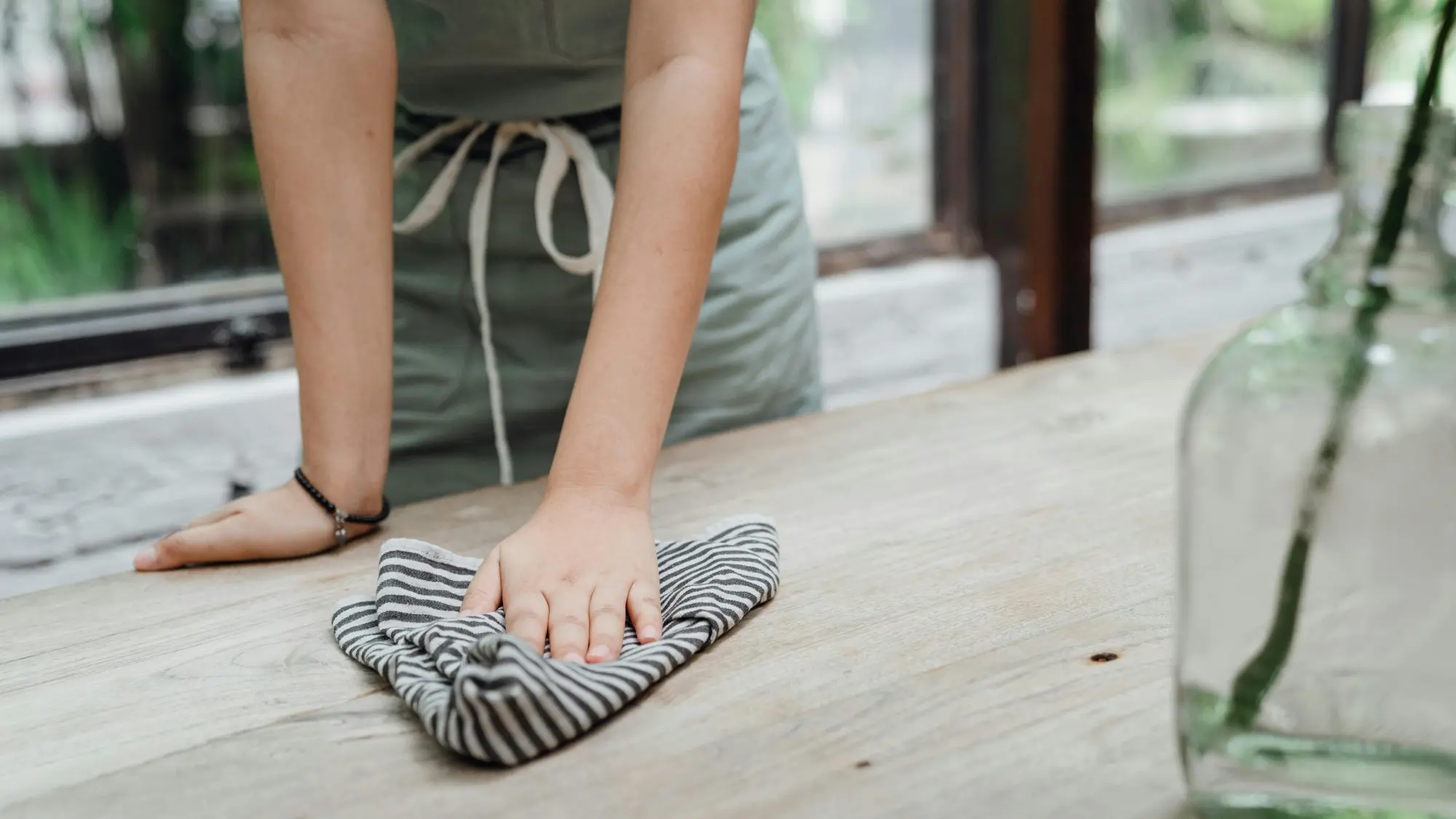
1. Using Cleaning Products Unsuitable for the Surface or Type of Dirt 🧪
The Problem:
One of the most frequent mistakes is using cleaning products unsuitable for the type of surface or dirt to be treated. For example, using an aggressive detergent on delicate surfaces can cause damage, while using insufficiently powerful products on very dirty areas can result in ineffective cleaning.
How to Avoid:
Before starting any cleaning operation, it is essential to ensure that you are using the right products for each type of surface and need. It is important to always read the instructions on the label of the products and keep a diverse stock, with specific solutions for each type of cleaning (DISINFECTANTS, DEGREASERS, FLOORS, SURFACES, etc.).
Professional Tip:
Organise the cleaning products by category and type of application.
2. Mixing Incompatible Cleaning Products ⚠️
The Problem:
Some professionals wrongly believe that mixing products can increase cleaning effectiveness. However, this practice is not only ineffective, but can also be dangerous. Mixing products such as bleach and ammonia, for example, can generate toxic gases that endanger the health of workers and occupants of the space.
How to Avoid:
You should never mix cleaning products, especially those containing chemicals such as chlorine, ammonia or strong acids. The combination of certain products can trigger dangerous chemical reactions. It is essential to train teams to read the labels and follow the usage instructions correctly.
Professional Tip:
Implement a colour or labelling system on cleaning products to facilitate their proper use.
3. Ignoring the Contact Time of Products ⏳
The Problem:
A common mistake in professional cleaning is not giving disinfectant products enough time to act. Rushed cleaning can reduce the effectiveness of products, especially in critical areas, such as hospitals, kitchens and bathrooms, where the elimination of germs and bacteria is essential.
How to Avoid:
To ensure effective disinfection, it is essential to read the instructions on the contact time of each product. Many disinfectants require a specific exposure time to effectively eliminate germs. Respecting this time is crucial to achieving the best results.
Professional Tip:
Create a cleaning schedule that takes into account the contact time of the products.
4. Using Dirty or Poorly Maintained Equipment 🧽
The Problem:
Cleaning equipment, such as mops, cloths, buckets and vacuum cleaners, needs to be regularly cleaned and maintained. Using dirty tools can actually spread more dirt and bacteria, instead of removing them, thus compromising the entire cleaning process.
How to Avoid:
It is important to implement a regular protocol for cleaning and maintaining equipment. Mops should be washed and disinfected frequently, cloths should be changed regularly and vacuum cleaners need to be emptied and cleaned frequently. Well-maintained equipment ensures more effective and lasting cleaning.
Professional Tip:
Adopt a rotation system for cloths and mops, and establish a fixed maintenance schedule for the larger equipment. Take advantage of the tip and renew your equipment with our CLEANING ACCESSORIES
5. Carrying out a Rushed Cleaning Without Attention to Detail 🔍
The Problem:
Rushing the cleaning process can result in poorly cleaned areas, hidden dirt and lack of disinfection in critical areas, such as door handles, switches and frequent-contact surfaces. These details are essential to maintaining a truly sanitised and safe environment.
How to Avoid:
Cleaning teams should be trained to be thorough and ensure that critical contact points are properly cleaned and disinfected. Areas such as switches, door handles and handrails are particularly prone to germ build-up and require special attention.
Professional Tip:
Use detailed lists to prevent failures and ensure a consistent standard of cleaning quality.
To ensure effective and safe cleaning in your space, trust Mdist's professional products and advice. Contact us for the creation of personalised hygiene plans and free training for your cleaning teams!
Soluções para o seu setor
Veja a gama profissional que a MDIST fornece para esta área de actividade.